
Austria's ski resorts are very popular with international guests. Julian Jäger, CEO of Flughafen Wien AG and President of the Austrian Airports Association (AÖV), explains the role of domestic airports in winter tourism, the current state of Austria's largest airport, and its growth potential in an interview with Ski Guide Austria.

SKI GUIDE: Mr. Jäger, how is aviation currently developing in Austria?
JULIAN JÄGER: International aviation is growing, but Austria is currently unable to benefit from this development. In the first nine months of 2026, Austrian airports recorded a 3.8 percent decline in passenger numbers compared to the previous year – equivalent to approximately one million fewer passengers. Yet aviation is a crucial driver of the economy, employment, and tourism. We therefore urgently need competitive framework conditions to strengthen Austria's position as an aviation hub in the long term. The abolition or at least reduction of the national air passenger tax is therefore essential. This will make it more economical for airlines to operate flights to Austria – and that, in turn, will bring visitors to the tourist regions.
What is the situation at Vienna Airport?
We expect 30.5 million passengers in Vienna by 2026, making us Austria's largest airport. But we too are feeling the increasing effects of...
Competitive pressure. In particular, capacity reductions by low-cost airlines are impacting traffic development. Economically, the
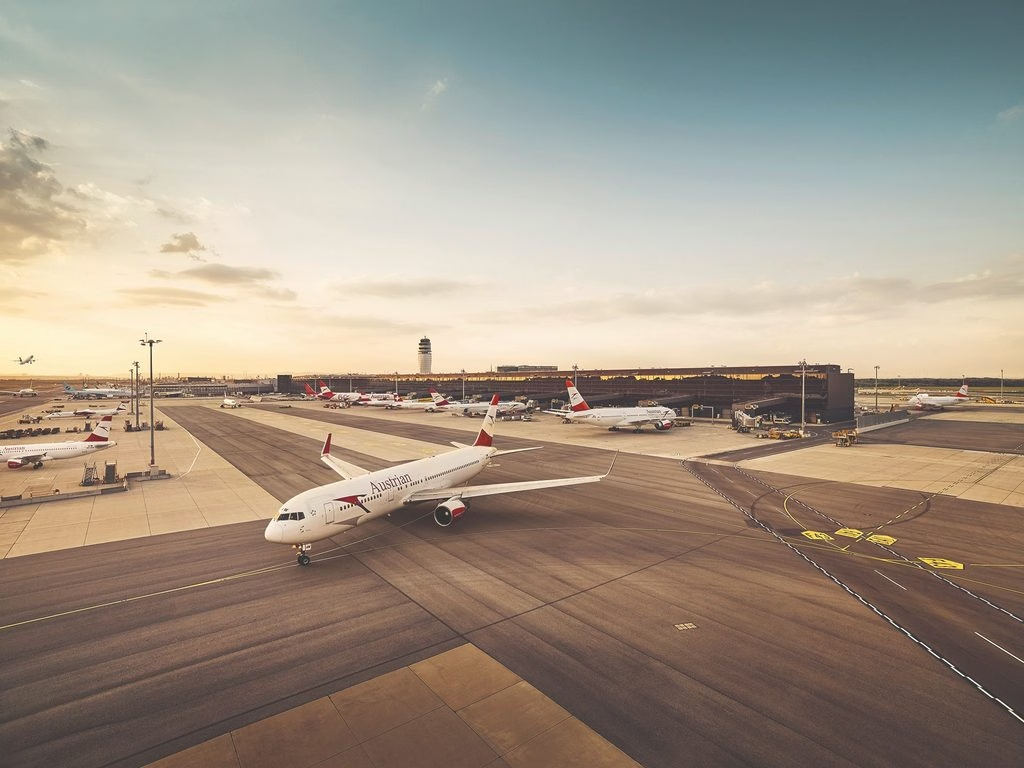
Vienna Airport remains in a solid position. In the first half of 2026, we achieved a revenue of €529.3 million and a net profit of €123.2 million. At the same time, we are consistently investing in the future of our location. With the southern extension of Terminal 3, which will open in 2027, we are creating new waiting areas, additional dining and shopping options, and increasing the quality of service for our passengers. Our goal is clear: We want to further strengthen Vienna as an international hub. Many winter tourists, especially those arriving via long-haul flights, also travel to Austria through Vienna Airport and then continue their journey to the ski resorts.
How are the Austrian regional airports doing?
Development varies regionally. While some locations are experiencing passenger growth, others face significant challenges. Regional airports are far more than just transport infrastructure. They ensure international accessibility for entire economic and tourism regions, create jobs, and make a vital contribution to regional economic development. These connections are indispensable, especially for a tourism-dependent country like Austria. Therefore, we must ensure that not only Vienna Airport, but also our regional airports can remain competitive internationally.
What significance do Austrian airports have for winter tourism?
A crucial point! Austria is one of Europe's most popular winter sports destinations. Last winter season alone, more than 74 million overnight stays were recorded across Austria, around 43 million of them in Tyrol and Salzburg. Winter sports are therefore an enormous economic factor, generating billions in added value annually and securing numerous jobs. Good international accessibility is essential for this. The airports in Innsbruck and Salzburg play a particularly important role: they bring guests from international markets directly to the Austrian winter sports regions.
They have been calling for the abolition of the air passenger tax for some time now. Why is this so important?
Austria is among the more expensive aviation locations in Europe. The air passenger tax is an additional cost factor not found at many competing airports. Airlines decide where to base aircraft and offer new routes based on economic criteria. If conditions are more attractive abroad, capacity is shifted there. This not only harms airports, but also tourism and the entire domestic economy. Every flight connection Austria loses means less international accessibility and therefore less added value, fewer jobs, and fewer tourists. Abolishing the air passenger tax would be an important step in reversing this trend.